





Earth.com
June 22, 2026
The research was conducted by a team at the University of Notre Dame led by Gary Lamberti and Daniele De Almeida Miranda. “Unfortunately, the Great Lakes hold onto their water and contaminants for a very long time, meaning that there’s ample time for toxins to be taken up by the biota,” Lamberti said.

Bloomberg
June 13, 2026
Without intervention, a female fly could lay more than 3,000 eggs over a lifespan of two to four weeks, according to Lee Haines, associate research professor of biological sciences at the University of Notre Dame.

NPR
June 11, 2026
"It looks like I'm traveling through space, doesn't it?" asks Lee Haines, a vector biologist at the University of Notre Dame and the person peering into the microscope in the image. "I am looking at a mosquito that has taken a sugar meal that has been spiked with a drug," she says.
Shayanta Chowdhury, the photographer and a physical chemist at the University of Notre Dame, was pleased to see his image elevating Haines' science. "Some people think scientists are in their ivory towers doing their own research and it doesn't really benefit or impact society as much," he says. "But I think it does and being able to use art to showcase that in science is powerful."

Featured Story
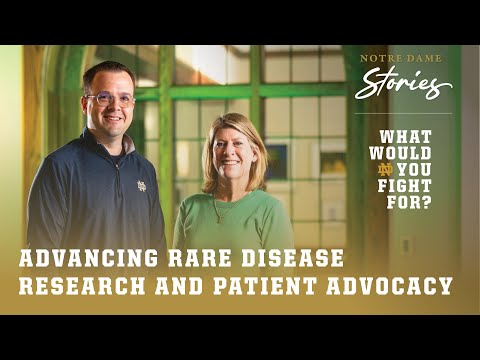


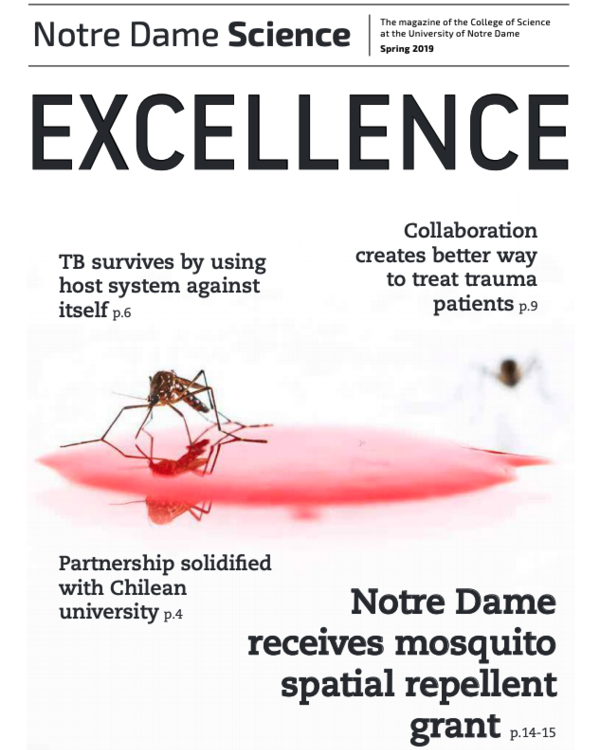
Notre Dame Science is the magazine of College of Science, featuring faculty and student research, education, and news across the college.
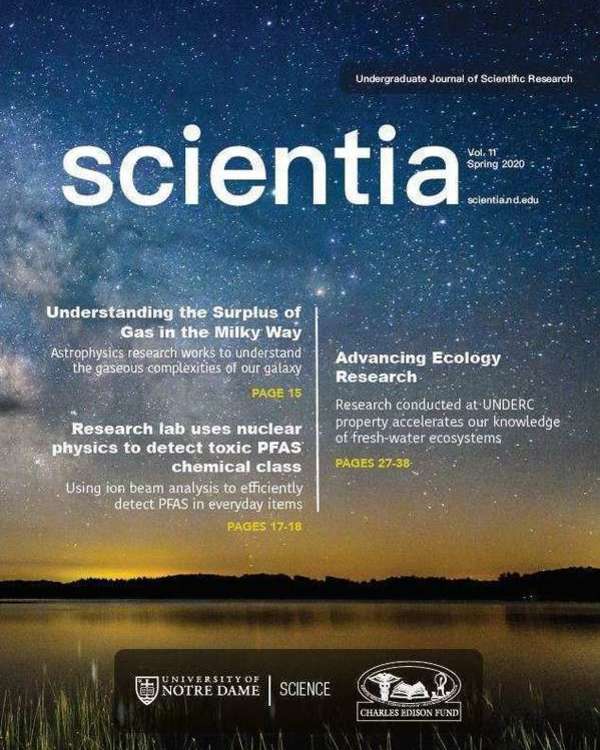
Scientia is a completely student-run publication that recognizes and encourages high quality undergraduate research.

